The Circular Economy Impact of Workforce Development Training
The conversation around the circular economy often focuses on recycling, materials recovery, manufacturing innovation, and clean technology. Those elements matter. But there is another piece of the equation that is frequently overlooked: people.
A circular economy cannot exist without a trained workforce capable of designing, installing, maintaining, repairing, and improving the systems that power it.
At Solar Knowledge Institute, we see workforce development as one of the most powerful economic multipliers in the clean energy transition. Training dollars are not simply educational expenses. Instead, they are long-term infrastructure investments that create measurable returns for employers, communities, workers, and the broader economy.

Workforce Development Is Circular by Nature
Traditional economic systems are often linear. Resources are extracted, products are manufactured, systems are installed, and eventually equipment is discarded. A circular economy works differently. It prioritizes longevity, repairability, maintenance, efficiency, local workforce participation, and long-term value creation.
That model depends heavily on skilled labor.
Every trained solar installer, battery technician, electrician, energy auditor, and system designer becomes part of an ecosystem that extends equipment lifespan, reduces waste, improves system performance, and supports local economic resilience.
Training programs create:
Higher quality installations
Fewer equipment failures
Lower maintenance costs
Safer worksites
Reduced project rework
Longer system lifespans
Stronger local supply chains
Increased workforce retention
Those outcomes directly support circular economic principles because they reduce wasted labor, wasted materials, and wasted energy.

The Financial Returns Are Real and Measurable
For years, workforce development was viewed as a “soft investment.” Today, the data tells a very different story.
According to the U.S. Department of Labor, employers participating in Registered Apprenticeship programs see returns ranging from 40% to 90%. In practical terms, that means employers often receive between $1.40 and $1.90 back for every $1 invested in workforce training. (DOL)
The U.S. Department of Energy reports similar findings, citing an average employer return of $1.47 for every $1 invested in apprenticeship programs. (The Department of Energy's Energy.gov)
In the construction and skilled trades sector, the returns can be even higher. Research from NCCER found:
96% of companies reported improved productivity from structured training
84% reported improved employee retention
77% reported improved safety outcomes (NCCER)
Another NCCER study found that companies investing in workforce training achieved returns of up to $3 for every $1 invested. (NCCER)
These returns are not theoretical. They show up in real operational metrics:
Reduced turnover costs
Lower injury rates
Less project rework
Faster installation timelines
Higher customer satisfaction
Reduced overtime expenses
Improved production quality
For the solar industry specifically, these benefits are especially important because labor shortages remain one of the largest constraints on deployment nationwide.

Clean Energy Growth Depends on Skilled Labor
The clean energy transition is accelerating faster than the labor pipeline can currently support.
Federal agencies and state governments are increasingly recognizing workforce development as essential infrastructure. The Department of Energy has emphasized that Registered Apprenticeship Programs are critical to scaling the energy workforce and maintaining national competitiveness. (The Department of Energy's Energy.gov)
Workers who complete Registered Apprenticeship programs earn an average of $77,000 in their first year after completion, according to DOE data. Over the course of their careers, apprenticeship participants may earn roughly $300,000 more in wages and benefits compared to workers without similar training. (The Department of Energy's Energy.gov)
That creates a ripple effect throughout local economies. SKI has identified the top 6 to include:
Increased consumer spending
Higher tax revenues
Reduced unemployment
Reduced reliance on public assistance
More stable local businesses
Increased homeownership opportunities
When workforce development is done locally, those economic benefits stay local.

Training Creates Economic Resilience
One of the most overlooked aspects of workforce training is resilience.
Communities with strong technical education ecosystems are better equipped to adapt during economic disruption. Skilled workers can pivot between industries, adopt new technologies faster, and support emerging infrastructure needs.
In clean energy, this flexibility is especially important because technology continues evolving rapidly. Battery storage, EV infrastructure, microgrids, smart homes, and distributed energy systems all require ongoing education and technical upskilling.
A trained workforce becomes a renewable resource itself.
That is the essence of a circular economy.
Why This Matters for the Future of Solar
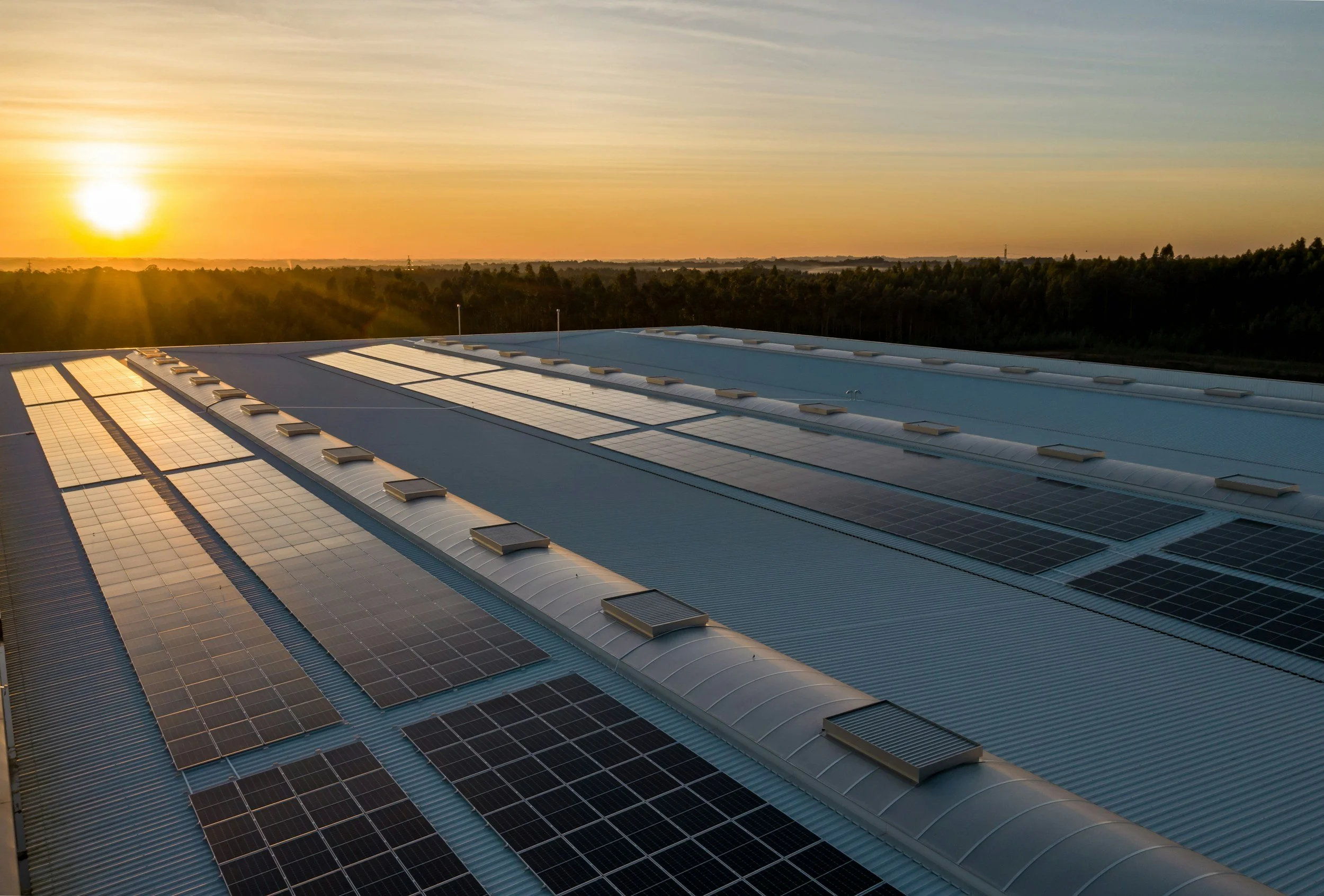
Solar energy is no longer just about panels on rooftops. It is about creating an entire ecosystem capable of supporting the future electric economy.
That requires investment in people at every level. Oftentimes, people don’t realize that solar yields a plethora of career options. These include:
Installers
Designers
Engineers
Inspectors
Sales professionals
Electricians
Service technicians
Project managers
Energy storage specialists
Without workforce development, the clean energy transition slows. Projects become delayed. Quality suffers. Costs rise.
But when training programs are built strategically, the opposite happens.
Communities gain skilled workers. Businesses gain productive employees. Consumers receive higher-quality systems. Local economies strengthen. Clean energy deployment accelerates.
That is why workforce development is not separate from the circular economy. It is one of the foundational pillars that make the circular economy possible.
At Solar Knowledge Institute, we believe the future of clean energy depends not only on technology innovation, but on investing in the people who will build, maintain, and improve that future for decades to come.